Tulip Carpet Cleaning Aspen Hill provides mold remediation to restore clean, dry, repair-ready areas and help reduce the chance that the same problem returns. We focus on both visible damage and the underlying moisture conditions so the space can move forward to repairs or normal use.
Important scope note: Mold remediation is focused on containing mold, removing contamination, cleaning, and drying. Repairs or rebuild (such as replacing drywall, insulation, trim, or finished materials after removal) typically happen after remediation and may require a separate contractor.
During an inspection, we look at affected rooms, check for visible and suspected mold, and take moisture readings to help identify areas in scope and likely moisture sources.
Mold removal is wiping away visible mold. Mold remediation includes containment, removing damaged materials, detailed cleaning, drying, and addressing the moisture conditions that allowed mold growth.
Mold remediation focuses on containing mold, removing contamination, cleaning, and drying so affected areas are clean, dry, and repair-ready. If your project requires rebuild or repairs (for example: replacing drywall, insulation, trim, or finished materials after removal), that work is typically completed after remediation and may require a separate trade or contractor.
Every building is different, but our mold remediation projects follow a clear, repeatable sequence that combines containment, detailed cleaning, and moisture control. Our workflow is aligned with core work practices commonly referenced in the ANSI/IICRC S520 standard.
We inspect affected rooms, look for visible and suspected mold growth, and check for moisture problems. Based on what we find (and any existing mold report), we define which areas and materials are in scope and prepare a written work plan. We also document conditions and key moisture readings for the areas in scope and note likely moisture sources so you can plan repairs or corrective actions.
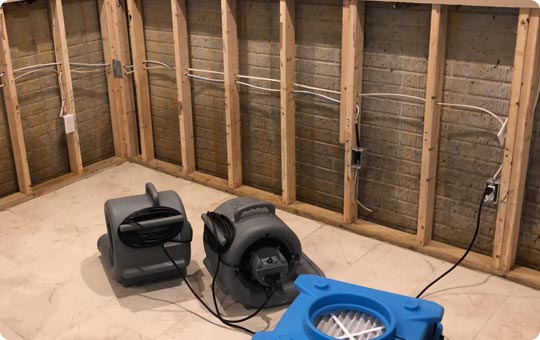
Before disturbing mold, we set up containment barriers to separate work areas from the rest of the property. Where appropriate, we use equipment such as negative air machines or HEPA air filtration devices to help control airborne particles during removal and cleaning.
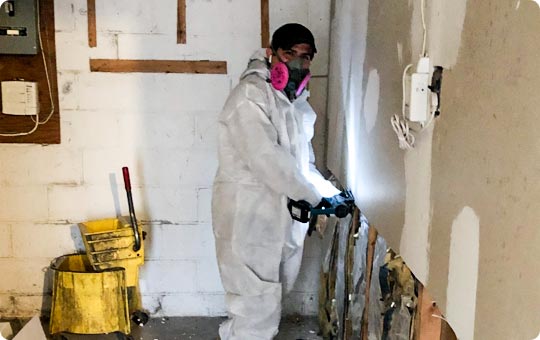
Porous building materials that are clearly damaged by mold (for example, some drywall, insulation, or non-salvageable carpet) are carefully removed and discarded. We focus on removing what cannot be effectively cleaned while keeping sound materials that can be restored.
Remaining structural surfaces inside the work area are HEPA-vacuumed and cleaned using appropriate methods and products based on the material and conditions. When needed, antimicrobial products may be applied according to label directions. This usually includes framing, subfloors, concrete, and other hard surfaces that can be cleaned and left in place.
Drying equipment and dehumidifiers are used as needed to bring moisture levels down to normal ranges. Without proper drying and humidity control, mold can return even after cleaning.
After drying and detailed cleaning, we perform a final HEPA vacuuming and wipe-down and visually verify that areas in scope are clean and dry. When an independent indoor environmental professional (IEP) or inspector is involved, post-remediation verification or clearance testing is completed according to their protocol.
Some projects benefit from third-party documentation, especially when:
When testing, reporting, or clearance is needed, Tulip Carpet Cleaning Aspen Hill can coordinate scheduling with independent mold testing and inspection professionals. This keeps inspection and testing separate from the remediation work while still keeping the project organized.
Mold remediation pricing is built from the scope of work, not just the size of the room. After an inspection and moisture check, we write a work plan that defines what is in scope (areas, materials, and access points) and then price the project based on the steps required to contain, remove, clean, and dry the affected areas.
If there is an active leak or ongoing moisture, stop the source first if it is safe to do so (shut off water, contact a licensed plumber, etc.). Remediation is most effective after the moisture source is controlled.
We review visible conditions, check likely hidden areas based on moisture patterns, and take moisture readings. Then we explain what is likely in scope, what is not, and what the next step should be.
Mold is a type of fungus that spreads through microscopic airborne spores. It thrives on moisture and food sources such as drywall, wood, paper, carpets, and dust. In Aspen Hill and the surrounding Montgomery County area, frequent humidity, basement dampness, and occasional plumbing or roof leaks can create conditions that support mold growth.
Bathrooms, basements, attics, around windows, inside closets, and behind walls after water damage.
You may notice musty odors, visible black, green, or white spotting, peeling paint, or staining on walls and ceilings. Sometimes the issue is not obvious on the surface, especially when moisture is trapped in building materials or in enclosed cavities. Even when mold is not visible, spores may still be present in the air.
Not every small mold spot requires a full remediation project. Professional mold remediation is usually recommended when:
Some people may experience irritation of the eyes, skin, nose, throat, or lungs when mold is present, and symptoms can be worse for people with asthma or allergies. We do not diagnose health conditions or confirm exposure. If you have health concerns, consult a qualified healthcare professional immediately.
Tulip Carpet Cleaning Aspen Hill provides mold remediation and related services in:
Mold removal is wiping away visible mold. Mold remediation includes containment, removing damaged materials, detailed cleaning, drying, and addressing the moisture conditions that allowed mold growth.
Small projects often finish in 2-3 days. Larger or more complex projects can take several days or more, depending on the extent of affected materials, drying needs, and access to hidden areas.
Sometimes. Coverage depends on your policy and the cause of the damage. We can provide documentation of the scope and what was done, but your insurer makes the final decision.
You may be able to clean very small surface spots on hard materials if the moisture problem is fixed. If mold is spread across multiple areas, keeps returning, follows water damage, or you cannot locate the source of a persistent musty odor, professional remediation is usually the safer and more reliable choice.
Mold needs moisture. We focus on cleaning and drying affected areas and documenting likely moisture sources. The most effective prevention steps are to correct leaks, control humidity, and keep problem areas (like basements and bathrooms) dry.
If your mold problem started with a leak, overflow, or flooding, we can also coordinate water damage cleanup and drying so the initial water cleanup and the mold remediation stage stay organized.
Water damage cleanup and drying in Aspen Hill, MD
We will help you understand what is likely in scope, what documentation may be needed, and what the next step should be for your property in Aspen Hill and the surrounding Montgomery County area.