Mold testing and inspection is a professional diagnostic service that measures airborne and surface mold levels in your home using lab analysis. Tulip Carpet Cleaning Aspen Hill provides lab-backed evidence of fungal growth, not guesses or generic advice.
Visible spots on walls or shower curtains are easy to see, but microscopic spores travel through basements, crawl spaces, attics, air ducts, and behind drywall. If you need defensible evidence for a real estate transaction, a health concern, or a water damage claim, you need mold testing that delivers clear, lab-confirmed results, not just a quick look.
A structured inspection and laboratory report translate these signs into measurable data: airborne spore counts, identified genera (such as Aspergillus or Stachybotrys), and moisture readings that describe the actual risk inside the building.
During mold testing and inspection in Aspen Hill, we provide a complete diagnostic package, not just a quick visual check.
You pay for a defined diagnostic service and receive documented findings you can rely on, not a sales pitch disguised as advice.
We follow verification procedures aligned with the ANSI/IICRC S520 Standard, use calibrated moisture detection instruments, and rely on independent, AIHA-accredited laboratories for analysis. Your report reflects actual conditions inside the property so you can make informed health, renovation, and real estate decisions.
Tell us what you see, smell, or feel. We ask focused questions about leaks, renovation history, and health complaints, then schedule a time window that fits your day.
The inspector walks the property with you, looking at basements, bathrooms, kitchens, mechanical rooms, crawl spaces, and any known wet areas. We check for visible mold, staining, condensation, and building details that can trap moisture.
We use moisture meters and thermal imaging cameras to find hidden damp areas inside walls and floors without opening materials. This helps locate cold, wet cavities that may harbor mold even when paint and drywall look intact.
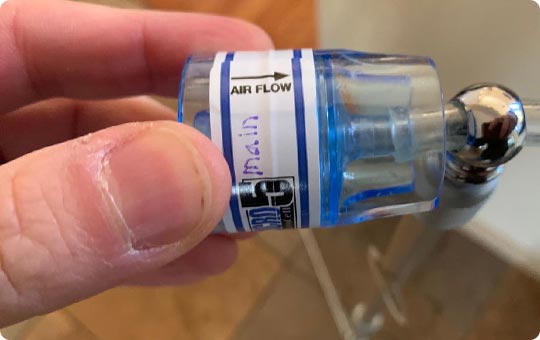
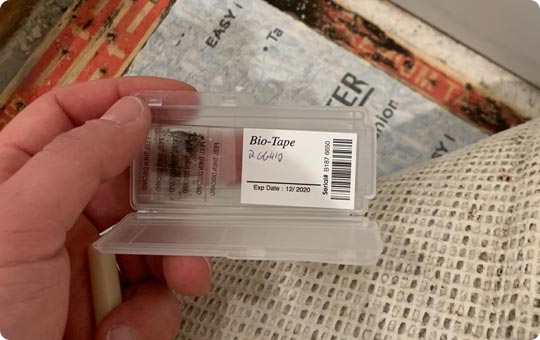
Based on what we find, we collect air samples and tape-lift or swab samples from key surfaces. We compare indoor air to an outdoor control and focus on areas where people spend the most time, such as bedrooms and living rooms. Samples help measure spore levels and identify mold families (genera), such as Penicillium/Aspergillus types or Stachybotrys.
Each cassette or swab is labeled with location, time, and basic conditions. We seal the samples and complete a chain-of-custody form (a tracking sheet that follows each sample) before sending them to an independent, accredited laboratory for analysis. This record keeps results clear and defensible if questions arise later.
When the lab report is ready, we contact you to go over the results in plain language. We explain which mold types were present, how indoor levels compare to outdoor baselines, and what that means for your indoor air quality and surfaces.
If the report shows elevated mold or moisture problems, we outline practical remediation options and priorities. If results are within expected ranges, you receive a clearance document for your records, real estate file, or insurance claim. You can use our independent report with any contractor you choose, or request a separate estimate from our mold remediation team in Aspen Hill if you prefer.
We operate as a dedicated local service company, not a national lab broker. That means we understand the basement, slab, and crawl space moisture patterns specific to Aspen Hill and nearby Montgomery County neighborhoods.
If lab results show elevated mold levels or abnormal moisture conditions, you decide how to move forward. We explain which areas are affected, discuss likely moisture sources, and outline remediation options. You can request an estimate from a restoration team we trust or use our independent report to get bids from other contractors. The report gives you leverage and clarity instead of guesswork.
Yes. Our mold testing reports include lab findings and inspector observations that serve as official documentation of the property's condition at the time of inspection. Buyers, sellers, and agents often use these reports to support inspection contingencies, repair negotiations, or proof of conditions after remediation. Always share the full report with your real estate professional so they can incorporate it correctly into the transaction.
We keep mold testing and inspection independent so our findings stay unbiased. During the inspection phase, our role is to document conditions, measure spore levels, and report what we find. However, as part of the Tulip network, we can connect you with mold remediation and water damage restoration specialists if you want repair options based on the test results.
Most residential mold inspections in Aspen Hill take about one to three hours on-site, plus laboratory processing time. The exact schedule depends on the size of the property and the number of samples collected. Lab analysis usually takes additional business days, after which we call you to review the report and send written documentation.
In most cases you do not need to leave the home during inspection and sampling. We may ask you to turn off HVAC systems briefly during air sampling or keep windows closed for a set period so results accurately reflect normal indoor conditions. Your technician explains any preparation steps before the visit.
Do not guess about your family's indoor environment. If you notice musty odors, unexplained health reactions, or recent water damage, schedule a scientific assessment from a local mold testing expert who documents real conditions inside your property.