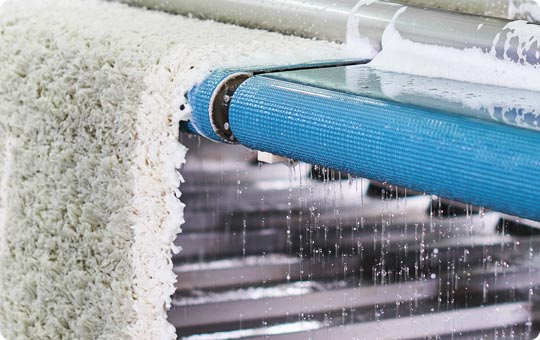
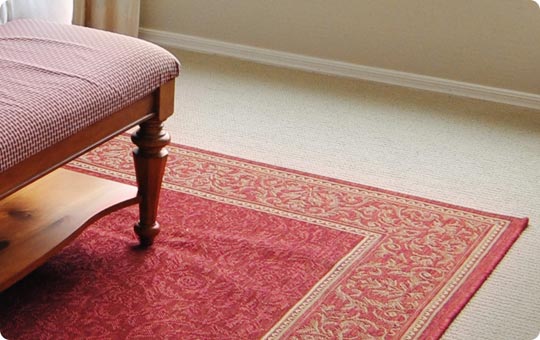
At Tulip Carpet Cleaning Aspen Hill, we help you keep your favorite area rugs in service instead of on the curb. If your rug looks dull, smells, or has pet accidents you can't fix at home, our professional rug cleaning in Aspen Hill is designed to remove deep soil, pet urine residues, odors, and allergens from synthetic, wool, and Oriental rugs, while protecting the rug's colors and structure.
Every rug is different. Before we choose any method, we start with an inspection so we can clean safely and set realistic expectations.
During your rug inspection, we typically:
Then we explain the safest cleaning approach and the price before any work begins.
Most rugs we clean fall into a few clear categories. We choose the safest method based on the rug's fiber, construction, and dye stability.
Spills from drinks, food, and tracked-in dirt can bind to rug fibers and change how the rug looks and smells.
Our goal is a cleaner, more uniform appearance without sacrificing the original color and pattern.
Pet accidents can soak through the rug and leave both visible damage and stubborn odor. Urine salts and organic residues can feed bacteria and create long-lasting smells.
Pet-affected rugs, treatment:
If we see permanent staining, color loss, or damage in the backing or foundation yarns, we explain it before we start so you know what to expect. For severe contamination, we'll also tell you when full odor removal is unlikely-and when replacement may be a better use of your budget.
Vacuuming handles loose dirt, but fine dust and grit settle deeper in the pile and slowly wear down rug fibers.
Our deep cleaning process will:
Basements, lower levels, and small leaks can leave rugs rippled, musty, or spotted due to excess moisture.
We can also help you choose between a stabilizing clean and a more involved approach-based on what the rug can safely tolerate.
Wool and other natural-fiber rugs can attract moths and other insects, especially in lightly used rooms or under furniture. During inspection, we look for signs such as:
We can clean and surface-treat the rug to remove food sources and visible contamination, and we'll advise you when a pest-control visit or specialist repair is the next step. We also share practical prevention steps like vacuuming under furniture, rotating rugs, and safe storage practices.
Rugs work like large, horizontal filters. Even when the surface looks clean, the base of the pile can hold:
Our focus is on releasing and removing hidden soil and residues-not just improving appearance, but also reducing odor and allergen load in the rooms where your family spends the most time.
We clean both modern and traditional rugs, and we adjust the cleaning method to the rug's fiber type, construction, and dye stability.
Common rug types we handle include:
Hand-knotted pieces, woven rugs, and machine-made rugs each respond differently to moisture and cleaning agents. We test what we need to test first, then choose a method that protects the rug while removing as much soil and residue as we can safely reach.
Antique wool rug cleaning often requires controlled moisture and careful handling. We explain the safest approach during inspection.
We clean small entry rugs, long runners, and large living room rugs, including:
Size, fiber, and condition affect the time, products, and drying needed. Large 9×12 rugs usually require more handling, more drying space, and more labor than small entry rugs-so they sit toward the higher end of our cleaning price range. We set pricing after we see and measure the rug.
The pad under your rug affects how clean, safe, and long-lasting the rug will be. During inspection, we also look underneath because:
When a pad is harming the rug or the floor, we explain your options. In many cases, cleaning the rug and upgrading the pad together gives better long-term results than cleaning the rug alone. We can also suggest pad styles that fit radiant heat floors, basement slabs, and other common home conditions.
Most area rugs follow a predictable price pattern based on:
Pet urine, odor problems, and minor water damage can add steps and cost.
Instead of a single flat rate, we:
As a general pattern:
If cleaning would cost more than the rug is worth, or if the rug is too weak to clean safely, we'll say so before you spend money on a service that's unlikely to help.
Rug cleaning is usually a better choice than replacement for quality wool, Oriental, and designer rugs. You keep a rug that already fits your room and color scheme, and you remove particles, allergens, and odors that home spot cleaners leave behind.
Professional cleaning is especially worth it when:
Some rugs can be harmed more by cleaning than by leaving them as they are. During inspection, we look for warning signs such as:
When we see these conditions, we explain the risks and may recommend limited cleaning only-or no cleaning at all. The goal is to help you avoid spending money on a process that has a high chance of damage or disappointing results.
We follow an IICRC-aligned process so you know what will happen from first inspection to final hand-off. Exact steps vary by rug type, but the sequence is consistent.
1. Pre-Inspection and Testing
We inspect the rug for fiber type, construction, stains, odor, backing condition, and prior repairs. We check colorfastness and weak areas first, then explain what we can realistically improve-and what may remain visible.
2. Dry Soil Removal
Following IICRC principles, we remove as much dry soil as possible before introducing moisture. Thorough vacuuming and dusting help lift fine grit that wears fibers and prepares the rug for more effective cleaning.
3. Preconditioning and Targeted Spotting
We apply a preconditioner matched to the rug's fiber, construction, and soil level, and treat individual spots or pet accidents with appropriate solutions. The goal is to suspend soil and odor sources without disturbing sensitive dyes.
4. Gentle Agitation and Dwell Time
We gently work the preconditioner into the pile and allow proper dwell time. On delicate rugs, this step is controlled and light to protect the structure and face yarns.
5. Rinse and Soil Extraction
We rinse and extract suspended soil using a controlled method that fits the rug: careful in-home cleaning for suitable rugs, or a more thorough wash and extraction process for rugs that require off-site care.
6. Post-Inspection and Results Review
Once the rug is dry, we perform a final inspection. If any areas don't respond as expected, we explain why and discuss realistic next steps so you understand the outcome.
We don't use one method on every rug. Depending on the inspection, we may use:
If you're asking, "Is it better to shampoo or steam clean my rug?" we'll explain which method is safer for your specific rug and why-before any cleaning begins.
A simple guideline:
Entry rugs that catch outdoor soil, basement rugs in higher humidity, and rugs under dining tables often need more frequent care. Regular professional cleaning helps control dust and allergens and slows visible wear-especially where your family spends the most time.
Where a rug lives in your home changes how it soils and how we care for it. During inspection, we consider:
Care between professional visits has as much impact on rug life as cleaning itself. We can advise you on:
Small habits extend the results of professional cleaning and reduce the chance of permanent damage.
Homeowners call us when they want clear information, careful handling, and realistic expectations.
When you schedule rug cleaning, you can expect:
We serve Aspen Hill, MD, and nearby neighborhoods such as Layhill, Bel Pre, and the surrounding Montgomery County area. If you're near Georgia Avenue, Connecticut Avenue, or the zip codes 20851, 20853, 20897, 20906, 20908, or 20916, we can inspect your rug and provide a clear plan.
We inspect each rug and either clean it on-site (durable synthetic or stable-dye wool with moderate soiling) or take it off-site (fine, antique, heavily soiled, or urine-damaged rugs). We confirm the method, price, and timing before any work.
Pricing depends on size, fiber, soiling level, and issues like pet urine, odor, or insect concerns. We measure and inspect your rug, then give a clear quote before cleaning.
Low-traffic rooms typically need cleaning every 18-24 months. Main living areas are usually every 12-18 months. Homes with kids, pets, or allergies often benefit from every 6-12 months.
No single method is best for every rug. Many synthetic rugs clean well with controlled hot water extraction, while delicate wool, Oriental, or antique rugs often need a different wash process or low-moisture cleaning. We choose based on fiber, construction, and condition.
We can clean and surface-treat rugs with light insect activity and remove soils that attract moths. For active infestations or structural damage, we recommend pest control and, when needed, a rug repair specialist.
If your rug looks tired, smells, or has pet accidents you can't remove, schedule a visit.
Call us to get a rug inspection and a clear, no-obligation price estimate for rug cleaning. We also offer a discount when you bundle multiple services - ask about bundle pricing.