Flooding from burst pipes, storm runoff, or appliance failures often calls for prompt water extraction and drying. Tulip Carpet Cleaning Aspen Hill follows a preservation-first approach aimed at saving flooring and building materials when it is safe to do so-and minimizing tear-out when possible.
Important: We do not perform plumbing repairs. For active leaks, shut off the water if you can do it safely and contact a licensed plumber to stop the source first-then we can begin cleanup and drying.
We provide live phone support during normal business hours. Emergency dispatch coordination is available 24/7, and after-hours dispatch may be supported through our partner network via Flood Damage Pro.
When water gets into building materials, time matters to limit spread, material damage, and the likelihood of mold growth. We provide complete water damage restoration, from the first extraction to final drying, cleaning, and documentation.
We commonly help with clean and gray water from broken pipes, failed appliances, and overflowing fixtures, including wet carpets, padding, drywall, subfloors, cabinets, and other structural materials.
If you are not sure how serious the damage is, we inspect the affected areas, measure moisture in walls and floors, and explain your best options before heavy work begins.
Many insurers expect you to take reasonable steps to help prevent further damage. Once the source is stopped, we can begin extraction and stabilization while keeping clear records of what we did and why, so you have documentation for your adjuster.
Not every water loss requires tearing out large sections of drywall or flooring. Our goal is to dry and salvage materials when safe, and to remove only what cannot be dried safely under commonly used industry standards.
Note: If water is sewage-contaminated (often classified as Category 3) or materials are unsalvageable, controlled removal may be required for health and safety.
Fast action in the first 24 to 48 hours often decides whether you keep or replace flooring, walls, and furniture. Call as soon as you notice any of the situations below (after the source is stopped for active leaks).
Lines in walls, ceilings, or utility rooms can release large amounts of water in a short time. After the source is stopped, we locate wet areas and begin extraction and drying before materials swell, buckle, or conditions allow mold to develop.
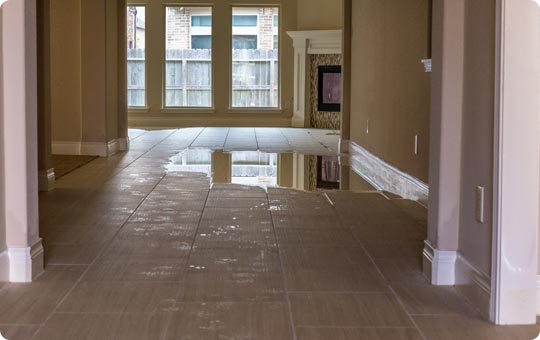
Sump pump failures, foundation leaks, or heavy storms can leave standing water on slab and in below-grade spaces. We pump out water, dry concrete and framing, and address lingering moisture in corners and wall cavities.
Dishwashers, washing machines, refrigerators, and water heaters can leak into nearby cabinets, subfloors, and adjacent rooms. We protect unaffected areas, remove water, and dry under and behind units where moisture hides.
Wind-driven rain can get behind siding, through roof penetrations, and around windows. We trace the path of water intrusion, open up only what needs to be accessed, and dry structural wood and insulation where possible.
If a drain backs up or a sewer line fails, affected materials may require controlled demolition instead of simple drying. We follow contamination-aware cleaning and disposal procedures and explain what can and cannot be saved.
We follow a structured workflow informed by industry standards such as the IICRC S500 Standard and Reference Guide for professional water damage restoration. The exact steps depend on the source and category of water and the materials affected, but you can expect the following:
We confirm the area is safe to enter, identify the source of water, and determine the likely category of contamination. Then we check floors, walls, ceilings, and built-ins with moisture meters and, when available, infrared scanning to map how far the water has spread.
We remove as much standing and trapped water as possible with professional extraction equipment. Fast extraction shortens drying time, limits structural damage, and helps lower the likelihood of microbial growth.
If carpet, pad, drywall, insulation, or other porous materials cannot be dried safely according to industry guidance, we remove only the damaged sections and leave clean, straight edges ready for reconstruction.
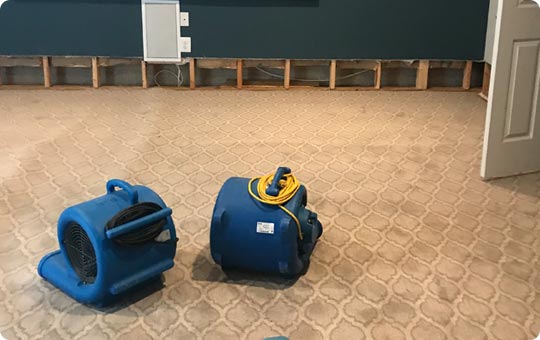
We place air movers and dehumidifiers in a planned layout to dry framing, subfloors, and surfaces to job-specific target moisture levels. We record readings, adjust equipment placement, and continue drying until materials reach appropriate levels for your structure and local conditions.
We clean and treat affected areas and salvageable contents with products appropriate for the water category and material type. This step addresses surface contamination, reduces odor, and helps lower the likelihood of mold developing after drying.
We complete a final moisture check, review results with you, and provide documentation, photos, and readings you can share with your insurance adjuster or contractor. If further repairs are needed, we explain next steps so your chosen contractor can handle reconstruction.
At each step, we explain what we are doing and why, so you stay in control while we handle the technical work.
You don't get a second chance to handle water damage correctly. You need a team that treats your home with urgency and precision.
The cost of water damage restoration depends on the source of the water, how long it has been present, and how many rooms and materials are affected. We do not give blind estimates over the phone. Instead, we inspect, explain what is wet, and outline the work before you approve anything.
Many homeowners' policies may help with sudden and accidental water damage, such as burst supply lines or appliance failures, but coverage varies by policy and cause of loss. Long-term leaks, groundwater, and maintenance issues are often excluded. We provide moisture readings, photos, and detailed notes you can share with your adjuster to support your claim.
We provide water damage restoration throughout Aspen Hill and nearby parts of Montgomery County, including:
If your property is near Aspen Hill and you are not sure whether we cover your address, call and we will confirm and advise on next steps.
Often, yes. Proper water damage restoration removes moisture before it spreads, can help limit further damage and lower the likelihood of mold growth, and may reduce total repair costs. A controlled drying plan is often cheaper than ignoring the problem or attempting to dry a structure with household fans alone.
Most residential drying projects take 2 to 5 days after initial extraction, depending on how quickly we start, how many rooms are involved, and the type of materials that are wet. We check moisture levels during the job and remove equipment as soon as the structure is dry.
Call as soon as you see standing water, water in building materials, or signs of spreading damage such as swelling, buckling, or musty odors. Early intervention keeps more of your structure and contents salvageable and gives you better options with your insurance company.
You should document the loss with photos and video, but many insurers expect you to take reasonable steps to help prevent further damage. After the water source is stopped (for active leaks, by a plumber), we can begin extraction and stabilization while keeping clear records of what we did and why.
Reminder: For active leaks, a plumber must stop the source first-then we can start cleanup and drying.